
Scoliosis Relief - South Jersey

Understanding Scoliosis in South Jersey
Scoliosis is a sideways curve of the spine greater than ten degrees off the vertical line. Some cases develop in childhood, often during growth spurts. Others appear later in life from posture habits, degeneration, or injury. The curve itself is not always painful at first, but it changes how the spine carries weight, and over time the body pays for it. Pain in the back, neck, or hips can follow. In more advanced cases, lung capacity and overall mobility can be affected.
Early detection matters. The earlier a curve is identified, the more options exist for slowing or stabilizing it. The standard screening tools include a visual postural exam, the Adams forward bend test, and X-rays to measure the degree of curvature.
Chiropractic care does not promise to straighten an established structural curve. What it can do is reduce the compensatory misalignments that build up around the curve, ease the pain that comes from those compensations, and support better function. A specific, hands-on approach is well suited to this work because it adjusts only the joints that need it, which matters when the spine has unusual mechanics. For many patients, ongoing care keeps the curve from worsening, holds the surrounding joints in better position, and allows for a more active life than the diagnosis alone might suggest.
If you're experiencing Scoliosis, our Rio Grande, Mt. Laurel, and Northfield chiropractic clinics are here to help, serving patients from across the surrounding communities. Learn more about our practice and the conditions we help with.
Advanced Care for Scoliosis in South Jersey
Scoliosis FAQ: South Jersey
Answers to the questions our South Jersey patients ask most about scoliosis.
Ready to Feel Like Yourself Again?
Other Conditions We Help

Headaches & Migraines
Recurring head pain often driven by tension and misalignment in the upper neck.
Learn More
Shoulder Pain
Persistent shoulder pain, stiffness, or limited motion that interferes with daily activity.
Learn More
Disc Injury
Bulging, herniated, or extruded spinal discs that compress nerves and limit movement.
Learn More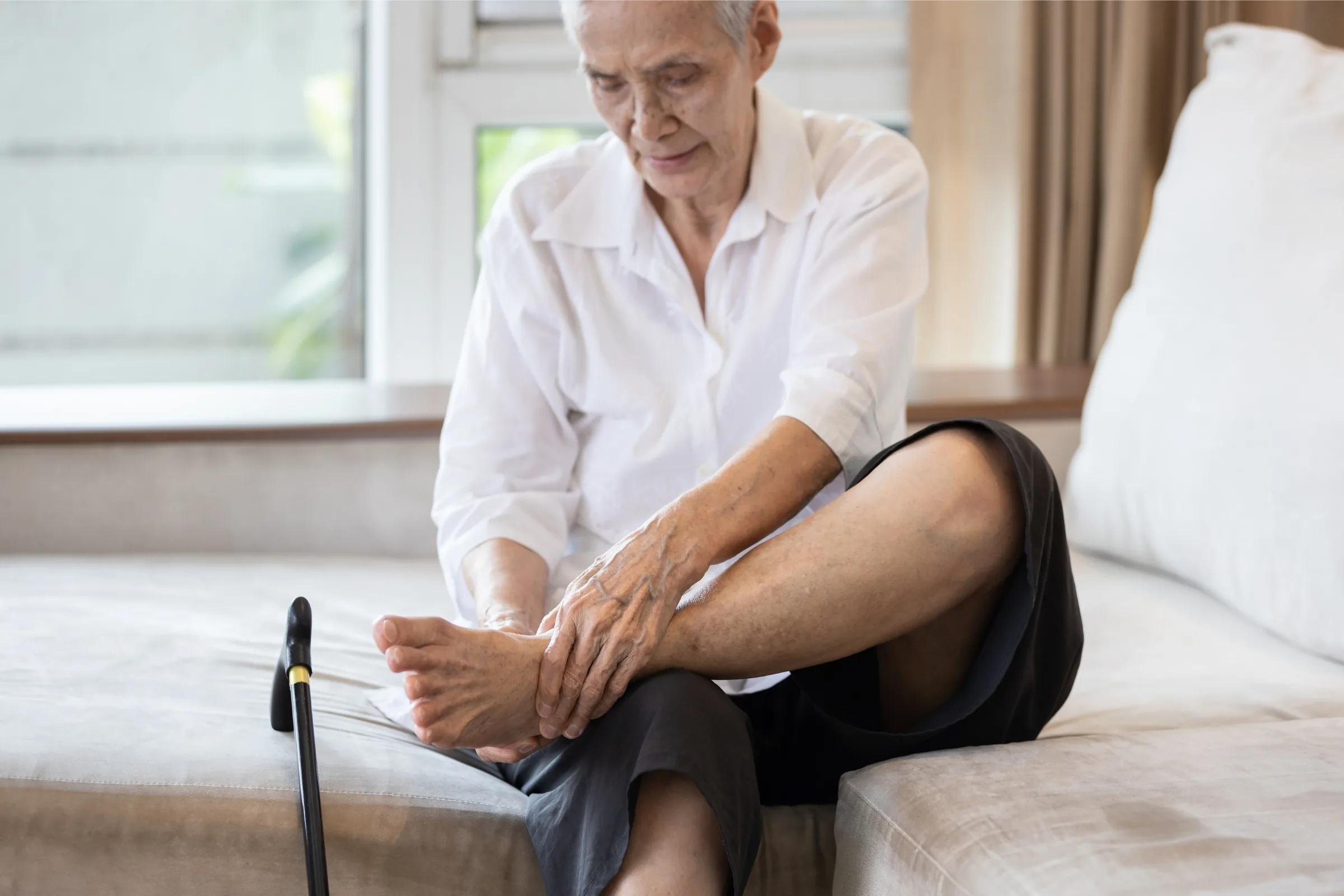
Peripheral Neuropathy
Nerve damage that brings burning, numbness, tingling, and pain, most often in the hands and feet.
Learn More
Sports Injury
Strains, sprains, and overuse injuries from training and competition that keep you off the field.
Learn More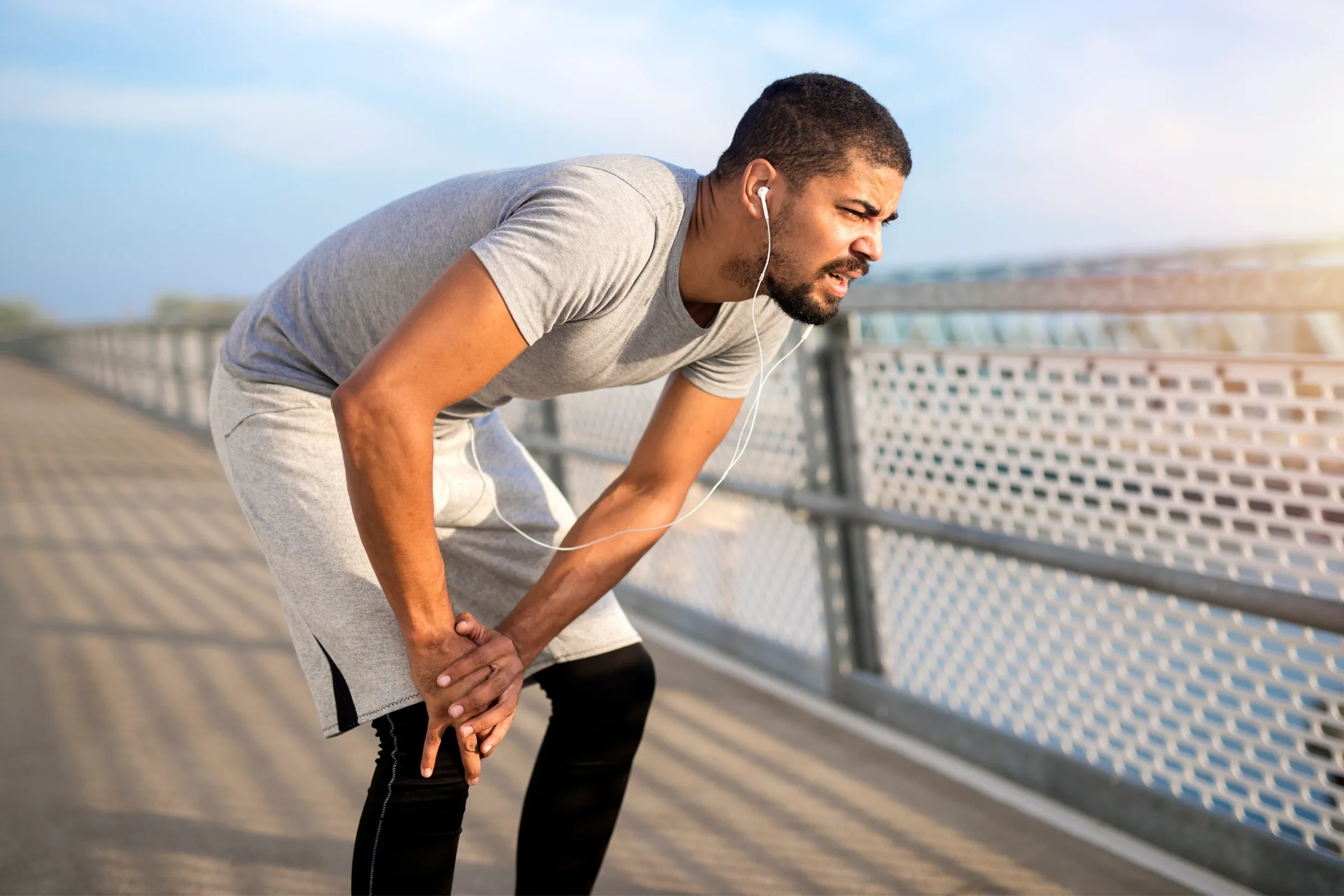
Knee Pain
Knee pain from injury, overuse, or wear that limits walking, stairs, and daily movement.
Learn More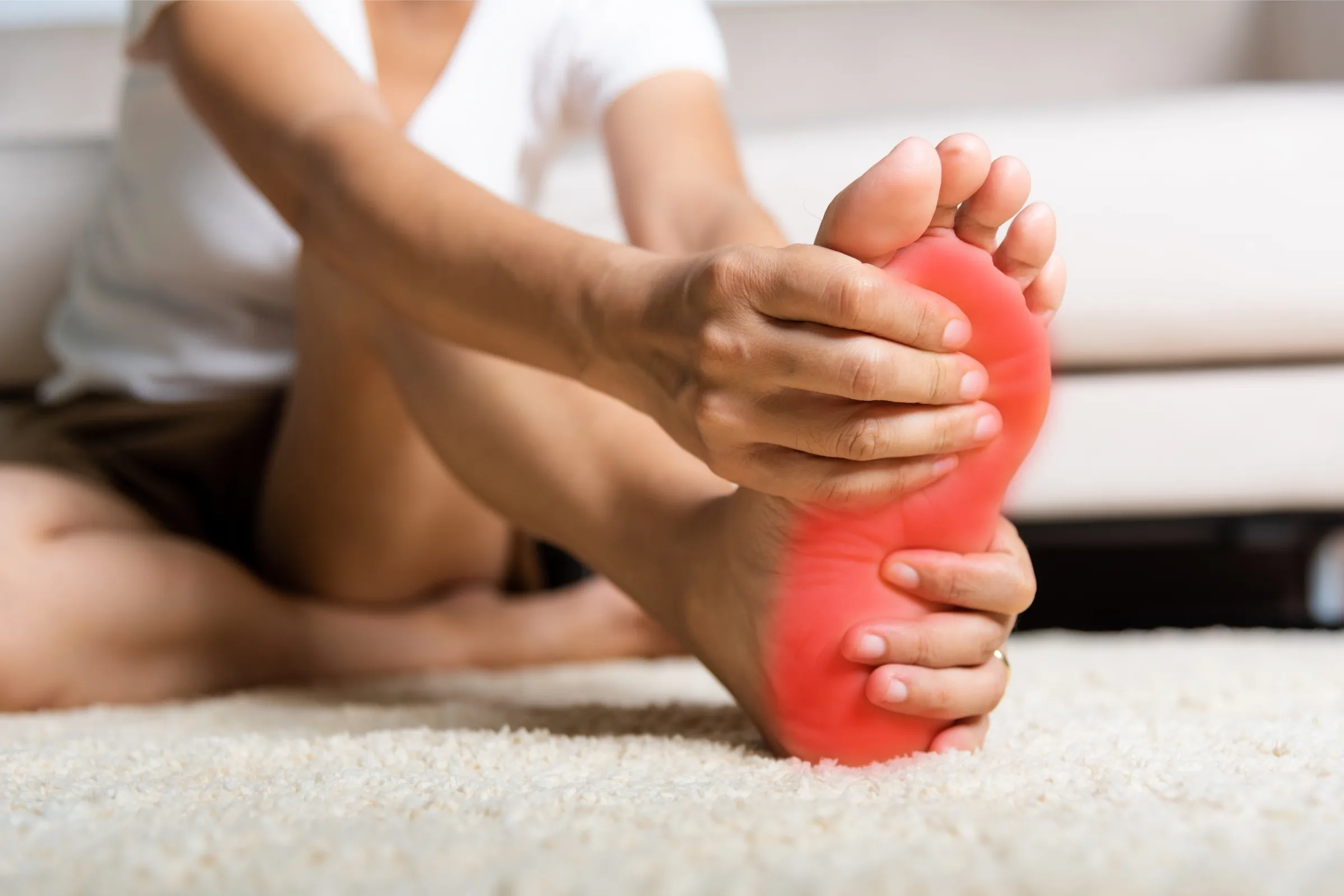
Plantar Fasciitis
Heel and arch pain from irritation of the tissue along the bottom of the foot, often worst with the first steps of the day.
Learn More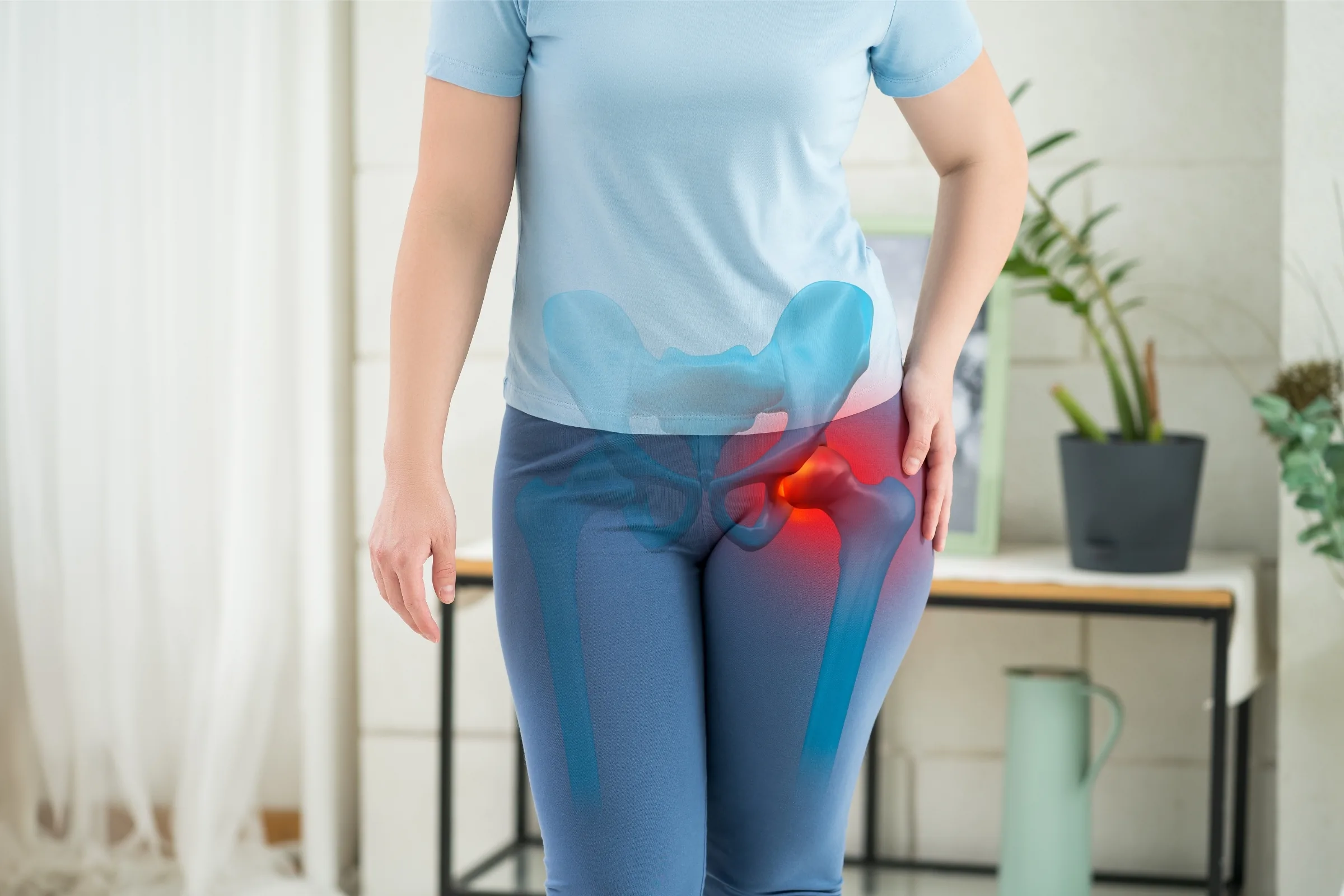
Hip Pain
Hip and groin pain or stiffness that affects walking, sitting, and sleep.
Learn More
Pregnancy-Related Spinal Stress
A physiologic state that shifts posture, weight, and ligament tension in ways that strain the spine.
Learn More
Vertigo
Sensation of spinning or imbalance, often linked to upper cervical or inner ear dysfunction.
Learn More
Sciatica
Sharp, radiating pain down the leg caused by irritation of the sciatic nerve at the spine.
Learn More
Carpal Tunnel Syndrome
Hand and wrist pain, numbness, or weakness from median nerve compression.
Learn More
Back Pain
Spinal misalignment, disc problems, or muscle strain limiting daily movement and quality of life.
Learn More
Arm & Leg Pain
Pain, numbness, or weakness in the limbs caused by nerve compression at the spine.
Learn More
Neck Pain
Stiffness, soreness, or sharp pain in the cervical spine that limits motion and daily activity.
Learn More
Work Injury
Injuries from job-related accidents, repetitive motion, or sustained poor posture on the job.
Learn More