Why Strength Training is the Missing Piece to Living Pain-Free
Simple exercises that can help reduce knee, hip, back, and shoulder pain—without heavy weights
Think strength training isn’t for you? Think again.
If you’re dealing with knee pain going up and down stairs, low back discomfort after sitting, hip stiffness when walking, or shoulder pain during everyday tasks, your first instinct may be to rest and avoid movement. That feels logical, especially when something hurts. However, avoiding movement—especially strength training—is often what allows the problem to persist or worsen.
Many people believe that staying off an injured or painful area is the best way to protect it. In reality, this approach can lead to weakness, instability, and increased stress on the joints. Over time, that lack of support can make even simple movements more painful.
Why strength matters when you’re in pain
Your muscles act as a support system for your joints and spine. When those muscles are strong and functioning properly, they help distribute force evenly, reduce strain on joints, and improve overall movement patterns. This is especially important for areas like the knees, hips, shoulders, and lower back, which rely heavily on surrounding muscle support.
When muscles are weak, joints are forced to absorb more stress than they are designed to handle. This can lead to inflammation, stiffness, and chronic discomfort. Strength training helps restore balance in the body, making everyday activities easier and less painful.
You don’t need heavy weights to get results
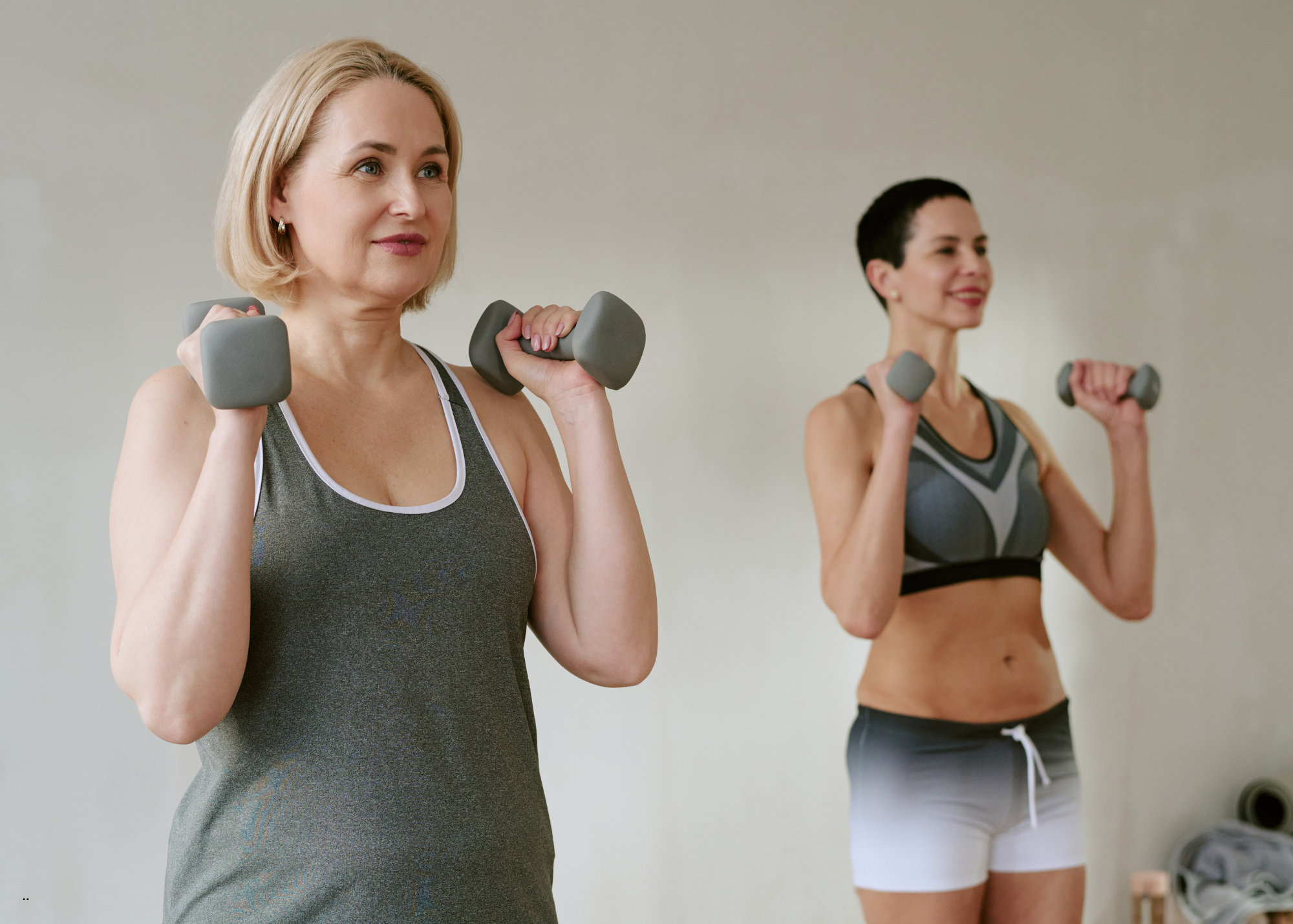
One of the biggest misconceptions about strength training is that it requires lifting heavy weights. For individuals dealing with pain, this is not only unnecessary but often inappropriate in the early stages. Effective strength training can begin with simple, low-impact movements that focus on control and consistency.
Bodyweight exercises, resistance bands, and slow, controlled repetitions are often more beneficial than heavy lifting. These methods allow you to strengthen the muscles without placing excessive stress on already sensitive joints. The goal is not to push through pain, but to build stability and support around it.
How strength training helps specific types of pain
Knee pain is often linked to weakness in the quadriceps and glute muscles. Strengthening these areas can reduce pressure on the knee joint and improve stability during activities like walking or climbing stairs. Even small improvements in muscle strength can lead to noticeable reductions in discomfort.
Low back pain is frequently associated with poor core strength and lack of support for the spine. Strengthening the core muscles helps stabilize the lower back and reduces strain during both movement and rest. This can make a significant difference in how the body tolerates daily activities.
Hip pain is commonly related to muscle imbalances and limited mobility. Strength training can help restore proper movement patterns, improve flexibility, and reduce compensations that lead to pain. As the hips become stronger, overall movement becomes more efficient and less stressful on the body.
Shoulder pain often results from poor stability and weakness in the surrounding muscles. Strengthening these muscles helps improve joint control and reduces unnecessary strain. This allows for smoother, more comfortable movement during everyday tasks.
Simple exercises you can start at home
You do not need access to a gym or specialized equipment to begin strengthening your body. The following exercises are simple, effective, and target the key muscle groups that support your joints.
Bodyweight Squats are a foundational movement that strengthens the legs and supports the knees and hips. Stand with your feet shoulder-width apart, lower your hips back and down while keeping your chest upright, and return to standing. Start with 10 to 15 repetitions, focusing on control rather than speed.
Glute Bridges help strengthen the hips and support the lower back. Lie on your back with your knees bent and feet flat on the floor. Lift your hips upward while squeezing your glutes, then slowly lower back down. Perform 10 to 15 repetitions.
Step-Ups are excellent for improving knee stability and balance. Using a sturdy step or platform, step up with one foot, bring the other foot up, then step back down slowly. Aim for 8 to 10 repetitions on each leg.
Wall Push-Ups are a simple way to strengthen the shoulders and upper body without placing too much strain on the joints. Place your hands on a wall at shoulder height, lower your chest toward the wall, and push back to the starting position. Perform 10 to 15 repetitions.
Core Bracing helps support the spine and improve posture. Tighten your core as if preparing for a light impact and hold that contraction for 10 to 20 seconds. Repeat this several times, focusing on maintaining steady breathing.
These exercises should be performed with slow, controlled movements. The focus should be on proper form and consistency rather than intensity.
What to avoid when starting out
When beginning a strength routine, it is important to avoid fast, uncontrolled movements and heavy resistance too early. Pushing through sharp or worsening pain can aggravate the issue and delay progress. Instead, movements should feel manageable and controlled, with gradual progression over time.
Listening to your body is essential. Mild discomfort may be expected when activating weak muscles, but sharp or persistent pain is a sign to stop and reassess. The goal is to build strength safely, not to force results.
Consistency is what creates results
One of the most important factors in reducing pain through strength training is consistency. You do not need long or intense workouts to see improvement. Even ten to fifteen minutes of targeted movement each day can help reduce stiffness, improve mobility, and build strength.
Over time, these small, consistent efforts lead to meaningful changes in how your body feels and functions. The key is to stay consistent and allow your body to adapt gradually.
When to seek guidance
If you have tried exercises on your own and continue to experience pain, or if you are unsure which movements are appropriate for your condition, it may be time to seek professional guidance. A structured plan tailored to your specific needs can help you avoid setbacks and make steady progress.
Working with the right team can help identify the root cause of your pain, guide you through proper movement patterns, and ensure you are strengthening the right areas safely.
If you are currently in pain, avoiding movement may feel like the safest option. However, in many cases, it is the lack of strength and support that allows pain to continue. Strength training, when done correctly, is one of the most effective ways to protect your body and improve how it functions.
The goal is not to do more, but to do what is appropriate and consistent. With the right approach, strength training can help you move better, feel stronger, and get back to living an active, pain-free life.
Ready to take the next step?
If you are dealing with knee pain, back pain, hip discomfort, or shoulder issues, you do not have to figure it out on your own. Getting the right guidance can make all the difference in how quickly and safely you improve.
Call 609-886-8585 or visit www.activesj.com to schedule your appointment and start moving toward a stronger, pain-free life.