
Anterior Pelvic Tilt: How to Check and Correct It for Better Posture
What is anterior pelvic tilt and how do I fix it?
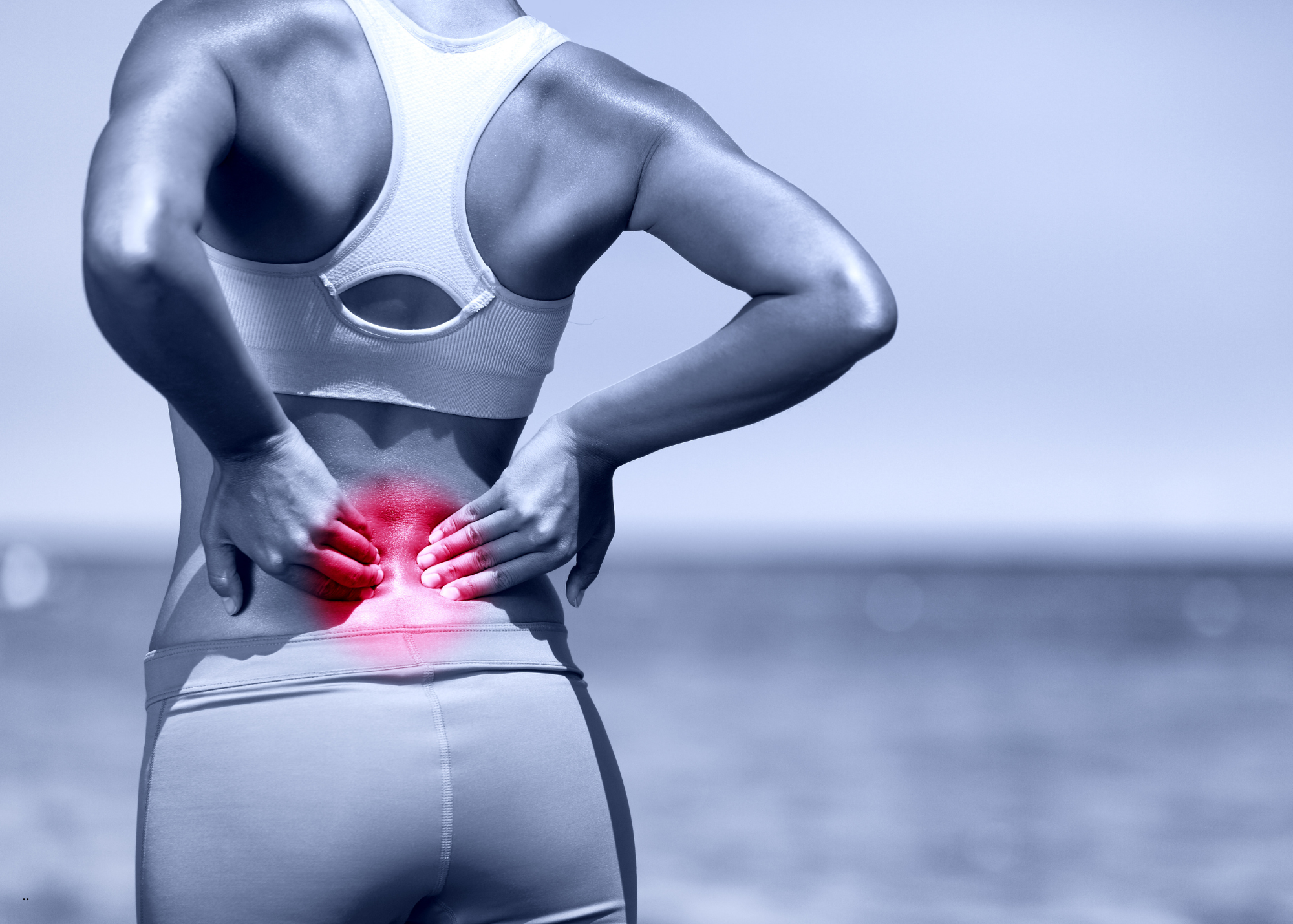
Anterior pelvic tilt occurs when your pelvis tilts forward, creating a swayback posture. It can lead to low back pain, tight hip flexors, and poor posture. Corrective exercises, stretching, and chiropractic care can restore alignment, relieve pain, and improve function.
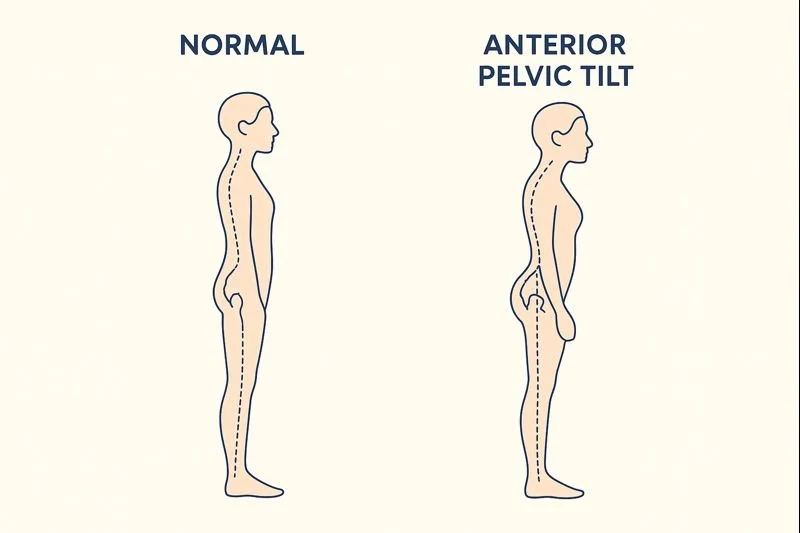
Understanding Anterior Pelvic Tilt: Anterior pelvic tilt occurs when the pelvis tilts forward, exaggerating the curve in your lower back. This misalignment often develops from:
Prolonged sitting
Weak glutes or abdominal muscles
Tight hip flexors
Poor posture habits
Common Symptoms:
Increased lower back curve or swayback
Hip discomfort or tightness
Weak core and glute muscles
Difficulty standing or walking for long periods
This tilt can strain the lumbar spine, compress discs, and contribute to chronic low back pain if left unaddressed.
How to Check for Anterior Pelvic Tilt
Stand sideways in front of a mirror.
Observe the curve of your lower back.
Check if your hip bones are tipped forward and your glutes protrude.
Optional: Place your hands on your hips; if they tip forward noticeably, anterior pelvic tilt may be present.
Corrective Strategies
1. Stretch Tight Hip Flexors:
Perform lunges or standing hip flexor stretches daily to release tension that pulls the pelvis forward.
2. Strengthen Core and Glutes:
Exercises like bridges, planks, and squats stabilize the pelvis and counteract tilt.
3. Adjust Daily Posture:
Avoid slouching or prolonged sitting. Take standing breaks every 30–60 minutes.
4. Chiropractic Care:
Chiropractic adjustments can realign the pelvis, improve spinal motion, and relieve associated low back pain.
5. Complementary Therapies:
Acupuncture and targeted exercises enhance recovery, reduce discomfort, and support better posture over time.
The Active Spine and Joint Institute Approach
Our office takes a multidisciplinary approach: chiropractic care, posture assessments, corrective exercise plans, and supportive therapies like acupuncture and spinal decompression. Together, these treatments help restore natural pelvic alignment, improve movement, and reduce chronic pain.
Call Today to Restore Your Posture or schedule a consultation at www.activesj.com.
Harvard Health – Good Posture and Spine Health
NIH – Physical Activity Guidelines for Posture